
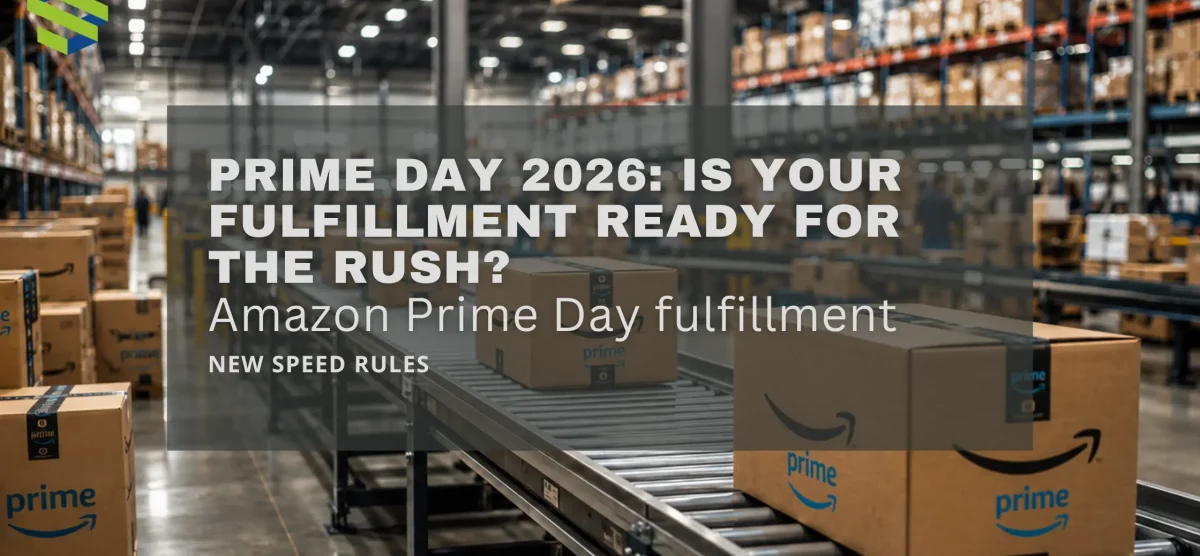
Prime Day 2026: Is Your Fulfillment Ready for the Rush?
Amazon Prime Day 2026 runs June 23-26, and according to Numerator, 59 million US households are expected to shop it. That’s 43% of the country placing orders across a four-day window, with planned spend topping $11 billion. For ecommerce brands, print-on-demand sellers, and anyone running a Shopify store, the real question isn’t whether Prime Day creates demand. It’s whether your fulfillment operation is built to handle it.
Because the spike doesn’t just hit Amazon. Consumers are actively shopping to multiple retailers: 42% plan to check Walmart Deals, 28% will browse Target Circle Week, and even Costco and Best Buy are running competing events. The traffic is spreading across the ecommerce ecosystem, and brands that can fulfill fast win.
Why Prime Day Creates a Stress Test for Every Ecommerce Brand
Prime Day wasn’t always a multi-retailer event. It started as an Amazon members-only sale and turned into a calendar moment that reshapes summer shopping behavior across the industry. In 2026, that effect is bigger than ever.
Consider who’s shopping and why. Numerator’s data shows 47% of surveyed consumers are more likely to engage with Prime Day specifically because of inflation concerns, looking for a window to stock up or finally pull the trigger on purchases they’ve been deferring. The 21% targeting higher-priced items they’ve been putting off represent exactly the kind of considered buyer that benefits from a fast, reliable fulfillment experience.
That’s the opportunity. But the risk is just as real: brands that can’t fulfill those orders accurately and quickly during the surge lose customers to competitors who can.
The Volume Spike Problem
Most ecommerce brands design their operations around average daily order volume. A promotional event like Prime Day can push that number three to five times higher in a matter of hours. If your 3PL partner isn’t built for that kind of burst capacity, or if your inventory positioning means half your SKUs are sitting in a single warehouse on the wrong coast, you’re already behind.
At ShipSage, we see this pattern every major sales cycle. Brands that distributed their inventory across our 6 US warehouses before the event ship faster and hit fewer stockouts than brands scrambling to reposition product mid-sale.
Numerator Prime Day 2026 Shopping Intentions Survey →
How Distributed Warehousing Reduces Shipping Times →
Print-on-Demand Brands Face a Different Challenge
For brands running a print-on-demand model, Prime Day creates compounded pressure. Unlike traditional ecommerce where inventory is pre-positioned, POD requires a production step before fulfillment can begin. When order volume spikes, production queues back up, and that added time can mean the difference between a five-star review and a refund request.
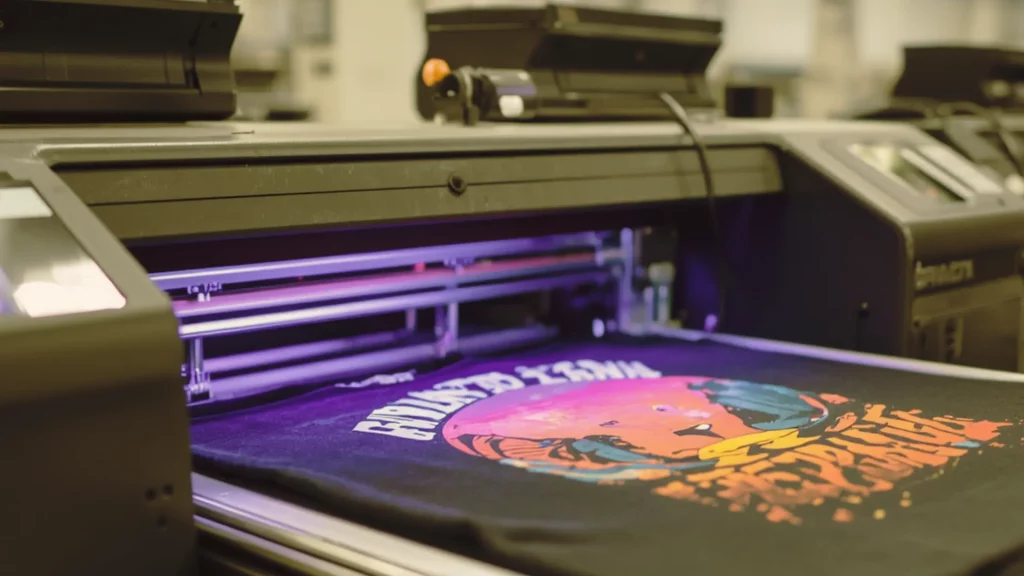
The solution isn’t simpler: it’s integration. POD brands that manage their production and fulfillment through a unified platform, rather than separate vendors that don’t talk to each other, have a natural advantage. When your order management system, DTG production queue, and shipping workflow are connected, you can see bottlenecks in real time and route around them before a customer notices.
What Good POD Fulfillment Looks Like During a Volume Spike
- Orders flow directly from your storefront into production without manual steps
- Production status is visible in the same dashboard as fulfillment and tracking
- High-velocity SKUs (bestsellers) can be pre-staged to reduce production time
- Carrier selection is automated based on delivery window and destination zone
- Customers receive tracking updates automatically without a support ticket
This is the infrastructure problem that a lot of POD sellers discover for the first time during a peak event. Building it after the fact, mid-sale, isn’t really an option.
ShipSage Print-on-Demand Fulfillment →
What the Data Tells Us About Shopping Behavior This Year
A few other numbers from the Numerator study are worth paying attention to beyond the top-line spending figure.
46% of Prime Day shoppers have no specific list. They’re browsing. That’s both a discovery opportunity for brands running promotions and a reminder that conversion depends on more than price. Shipping speed and product presentation matter for impulse purchases.
Only 22% plan to use AI tools to shop. Despite all the attention on AI shopping assistants, many consumers are still making decisions through traditional search and browsing. That means your SEO, your product listings, and your fulfillment ratings on marketplaces still drive the bulk of Prime Day conversions.
Inflation is driving engagement, not suppressing it. 47% who say inflation makes them more likely to shop on Prime Day are actively looking for value. For brands, this is a window to capture new customers who might not otherwise discover you.
Amazon Prime Day 2026 Dates and Details →
How to Prepare Your Fulfillment Before June 23
There are roughly 10 days between now and Prime Day. That’s not enough time to overhaul your fulfillment infrastructure from scratch, but it’s enough time to close the most common gaps.
Inventory Positioning
If you’re working with a 3PL that has multiple warehouse locations, check your inventory distribution now. SKUs concentrated in one region will generate longer transit times for orders outside that zone. If you can rebalance before the sale, do it.
Production Lead Time Buffer (POD)
If you’re a POD seller, build your promotion timing around your actual production window. Advertising a two-day arrival when your combined production and shipping time is four days creates a support problem. Either extend the window in your messaging or confirm with your fulfillment partner that they can handle the surge within your stated timeframe.
Carrier Capacity and Backup Options
Major carriers apply volume limits during peak events. Your 3PL partner should already have secondary carrier relationships in place. If yours isn’t, this is worth a conversation before June 23.
Returns Infrastructure
Post-Prime Day returns are real. The brands that handle returns cleanly and quickly often recapture customers who would otherwise churn. Make sure your returns workflow is as thought through as your outbound process.
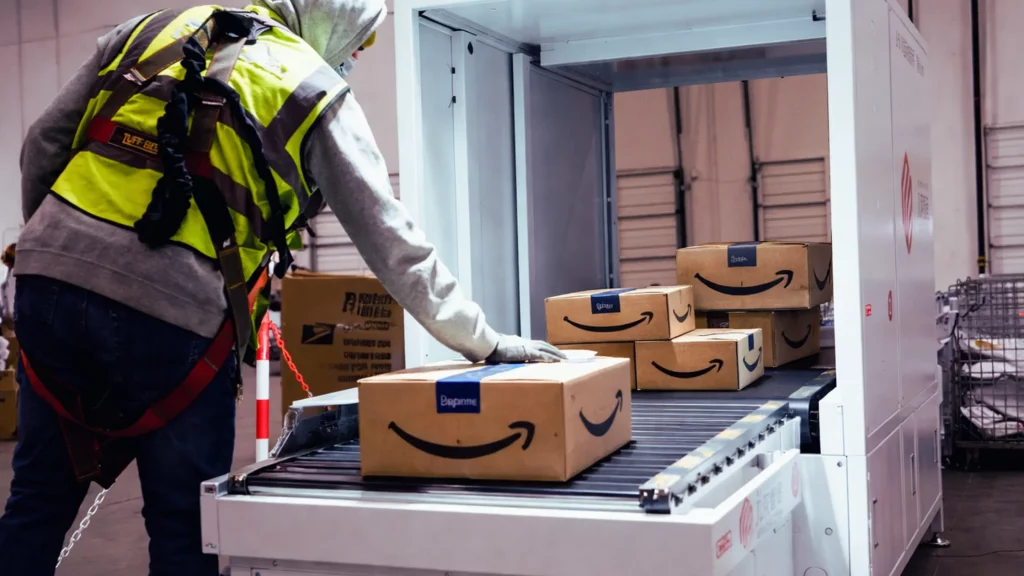
The Bigger Picture: Prime Day Is a Rehearsal
Prime Day in June is a useful dress rehearsal for Q4. The scale isn’t the same, but the dynamics are identical: compressed windows, elevated consumer expectations, competitive shipping speeds, and no tolerance for errors.
Brands that use this event to identify gaps in their fulfillment operation, specifically around volume handling, inventory positioning, and production-to-doorstep speed, come into Black Friday and Cyber Monday with a cleaner operation.
That’s the real value of getting Prime Day right.
Key Takeaways
- 59 million US households are projected to shop Prime Day 2026, with $11B in planned spend
- The event drives traffic across the entire ecommerce ecosystem, not just Amazon
- Inflation is pushing consumers toward deal-hunting, creating a customer acquisition window
- POD brands need integrated production-to-fulfillment workflows to avoid bottlenecks under volume
- Inventory distribution, carrier backup, and returns infrastructure are the three gaps to close before June 23
- Prime Day performance is the best available preview of your Q4 readiness
Ready to Handle the Next Spike?
ShipSage works with growing ecommerce and print-on-demand brands to provide flexible, scalable 3PL fulfillment across 6 US warehouses. Whether you’re shipping 500 orders a month or 50,000, we’re built for the moments that matter most.
Fill out the form below to start a conversation with our team. →