
What Is a Clothing 3PL? A Buyer’s Guide for Apparel Brands
Not every 3PL that says it handles “apparel” is actually built for apparel. Clothing brands carry more SKUs per style than almost any other category — one hoodie in five sizes and four colors is already twenty SKUs — and that complexity is exactly where generic fulfillment operations start making mistakes: wrong sizes, wrong colors, and returns that sit too long before they’re sellable again.
If you’re evaluating a fulfillment partner for the first time, it helps to know what a clothing 3PL actually does differently, and what to check before you sign a contract.
What Is a Clothing 3PL?
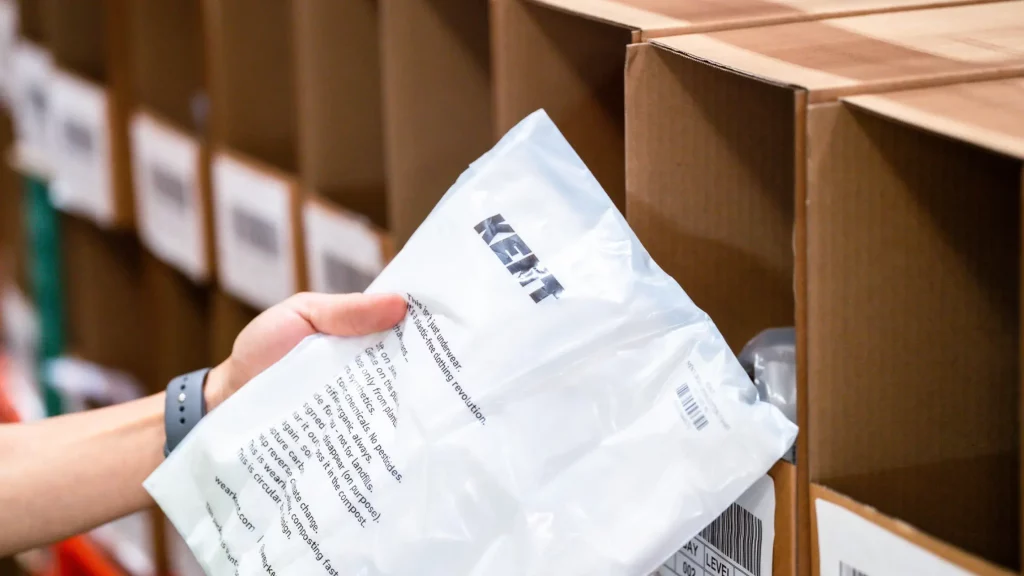
A clothing 3PL is a third-party logistics provider that specializes in apparel, footwear, and accessories rather than general merchandise. The distinction matters because apparel brings a different set of operational problems than most product categories: high SKU counts driven by size and color variants, seasonal drops that spike volume overnight, and return rates well above the ecommerce average. For the broader definition of how 3PLs work in general, see What Is a 3PL?.
A generic warehouse can receive, store, and ship a box. A clothing 3PL is set up to catch the failure points that are specific to apparel — picking the right size and color at the unit level, processing returns fast enough that garments can resell within the same season, and holding delivery performance steady across DTC, marketplace, and Amazon channels at once.
How a Clothing 3PL Differs From a General 3PL
Size and color complexity
A 40-piece clothing line with five sizes and four colors per style becomes 600+ individual SKUs. Every one of those SKUs is a chance to pick the wrong unit. A 3PL built for apparel verifies picks at the size and color level, not just the product level — the barcode scan has to match the exact order line before a unit gets packed.
Mis-pick rate
Wrong size and wrong color are two of the three most common causes of apparel returns (wrong item is the third). A clothing 3PL’s pick accuracy is usually measured and reported at this granular level, not just as a blended “order accuracy” number that can hide a size/color problem underneath it.
Returns and resale recovery
Apparel return rates run well above general ecommerce, and a returned garment typically takes longer to inspect than a standard parcel — condition, size, tags, and packaging all need a look before it’s sellable again. The financial hit isn’t really the return itself; it’s how long the unit sits in limbo before it can go back on the shelf. A clothing 3PL should have SKU-level inspection and clear restock rules, not a generic returns bin.
What to Look For When Evaluating a Clothing 3PL
- Barcode-verified picking at the size and color level, not just at the SKU or order level
- A distributed warehouse network — shipping a nationally distributed clothing catalog from a single location gets expensive fast as volume grows, since more orders cross more shipping zones
- SKU-level return inspection with restock rules you control, aimed at resale recovery rather than write-offs
- Native integrations with the marketplaces and platforms you actually sell on (Shopify, Amazon, TikTok Shop, and others), so inventory syncs in real time instead of overselling a viral size
- Amazon Seller Fulfilled Prime support, if you run SFP — apparel’s size/color complexity can turn into a late-shipment problem without dispatch discipline built around Amazon’s metrics
- Clear, itemized pricing tied to your actual SKU count, order volume, and return rate, rather than a flat quote that hides where the cost really comes from
What Drives Apparel Fulfillment Cost
Apparel fulfillment pricing depends on a handful of variables that matter more here than in general merchandise: total SKU count, monthly order volume, average units per order, storage footprint, and the channels you sell through. Returns volume carries extra weight too, since apparel returns need more inspection labor per unit than most other categories. Any 3PL you evaluate should be able to price against your actual SKU and order profile — not a generic per-order rate that ignores how apparel-specific your catalog is.
How ShipSage Approaches Clothing 3PL Fulfillment
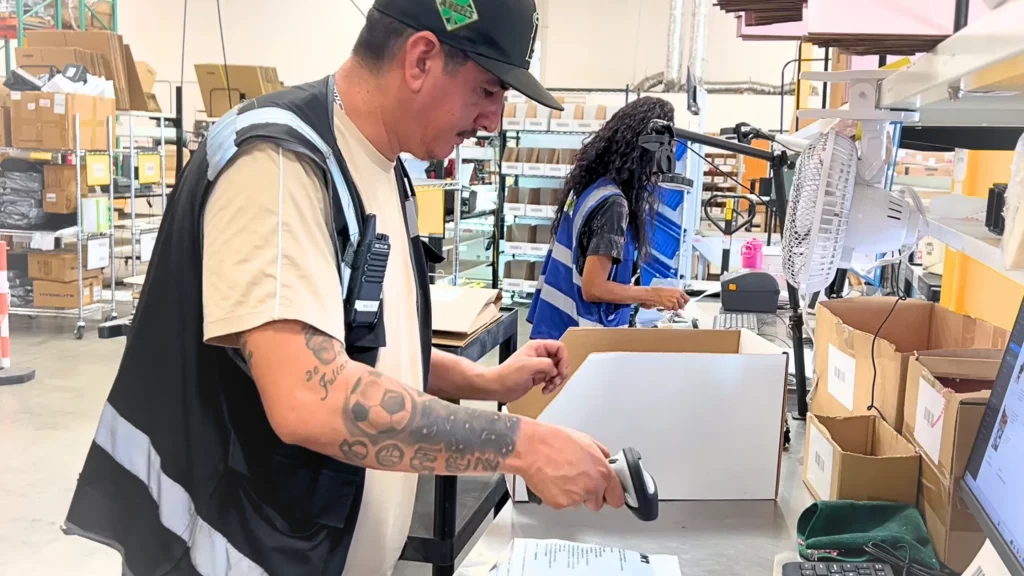
ShipSage runs apparel fulfillment and clothing 3PL services across 6 US warehouses, with barcode-verified picking on every size and color. Inventory is positioned across the network based on where demand actually sits, which pulls down average shipping zones and cost per order as a clothing catalog scales nationally.
Returns go through SKU-level inspection with restock rules you define, aimed at getting sellable units back into inventory quickly rather than defaulting to write-offs. ShipSage also connects to 100+ marketplaces and platforms through its OMS and WMS, and supports Amazon Seller Fulfilled Prime programs directly — with dispatch timing and multi-warehouse coverage built around the metrics Amazon actually measures.
See the full breakdown of how this works on the ShipSage apparel fulfillment services page — built specifically for high-SKU clothing catalogs.
FAQ
What is a clothing 3PL?
A clothing 3PL is a third-party logistics provider that specializes in apparel, footwear, and accessories, with workflows built around size and color variants, high SKU counts, and elevated return rates rather than general merchandise.
How is a clothing 3PL different from a general 3PL?
The core difference is granularity. A general 3PL typically verifies picks at the product or order level. A clothing 3PL verifies at the size and color level, since that’s where most apparel mis-picks and returns actually originate.
What should I look for when evaluating a clothing 3PL?
Barcode-verified picking at the size/color level, a distributed warehouse network, SKU-level return inspection with resale-focused restock rules, real-time marketplace integrations, and Amazon SFP support if you sell on Amazon.
How much does apparel fulfillment typically cost?
It depends on SKU count, monthly order volume, average units per order, storage footprint, and channel mix — with returns volume weighing more heavily than in most other product categories because apparel returns need more inspection labor per unit.
Bottom Line
Apparel fulfillment isn’t a smaller version of general fulfillment — it’s a different operational problem, driven by size and color complexity and elevated return rates. A clothing 3PL built around those specifics catches mistakes a generic warehouse won’t, and that shows up directly in fewer wrong-size and wrong-color shipments, faster resale recovery on returns, and steadier delivery performance as your catalog grows.
Ready to Upgrade Your Fulfillment?
At ShipSage, we work with growing ecommerce brands to provide flexible, scalable 3PL fulfillment — no long-term contracts, real people, and a nationwide warehouse network built for speed. Whether you’re shipping 500 orders a month or 50,000, we’re ready to help you deliver like a giant.
Fill out the form below to start a conversation with our team. →